Menu

3 Best Skilled Nursing Facilities in Charlotte

Choosing skilled nursing care in Charlotte means matching the setting to a resident’s clinical needs, daily support and family involvement. The options here include nursing homes suited to ongoing care, post-hospital rehabilitation and visits with residents.

When narrowing the list, consider the care pathway, how clearly staff explain arrangements and whether visits or admission planning need to be booked ahead. Clean surroundings and patient, attentive care may also shape the right choice.

How this guide is ordered

If you need skilled nursing facilities in Charlotte, these businesses cover what matters: experience, solid reviews, easy contact and a practical location.

Some businesses may pay to be featured in this guide.

Top 3Full listMapHow to choose

Compare 3 local options

Belaire Health Care Center, Charlotte#1
What stands out
  • Clean, welcoming environment

  • Supportive first-visit guidance

Belaire Health Care Center

4.6598 reviews
2065 Lyon St, Gastonia, NC 28052, United States
Best for
Families assessing nursing careVisitors meeting residents

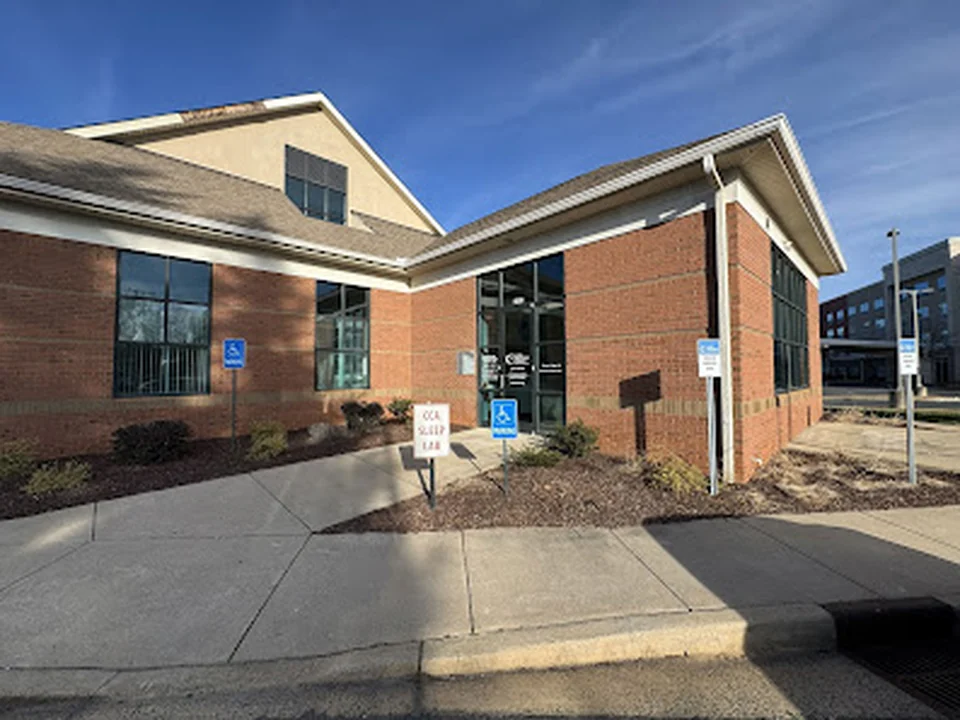
Belaire Health Care Center is a Charlotte nursing home with an orderly, clean-feeling environment and a welcoming approach for visitors and residents. The setting is described as fresh and well maintained, while staff members are approachable at arrival and provide clear directions for first-time visitors.

The centre’s strengths include a calm presentation, attentive individual care and a professional manner from parts of the team. Families assessing the facility should discuss care routines, dietary support and the specific needs of the resident directly with the centre.
Greens at Gastonia, Charlotte#2
What stands out
  • Short-term rehabilitation and respite

Greens at Gastonia

3.7131 reviews
969 Cox Rd, Gastonia, NC 28054, United States
Best for
Post-hospital rehabilitationLong-term nursing care

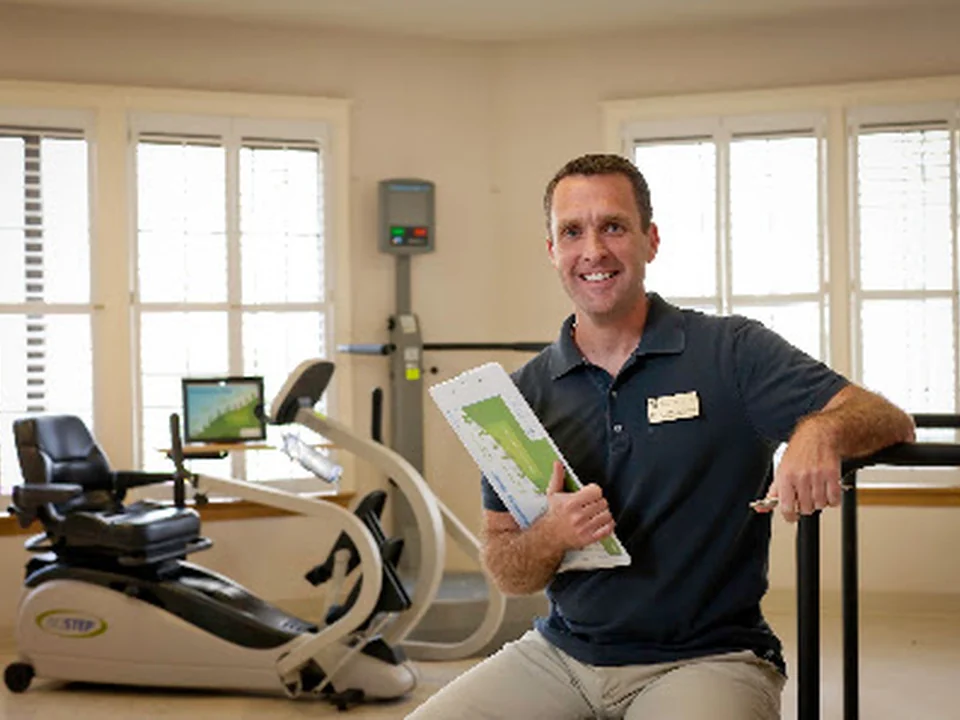
The Greens at Gastonia provides short-term rehabilitation, long-term care and respite stays in a warm skilled-nursing setting serving the Charlotte area. Its care model includes personalised plans, rehabilitation support and licensed nursing available around the clock, with an emphasis on helping residents recover, manage conditions and maintain dignity.

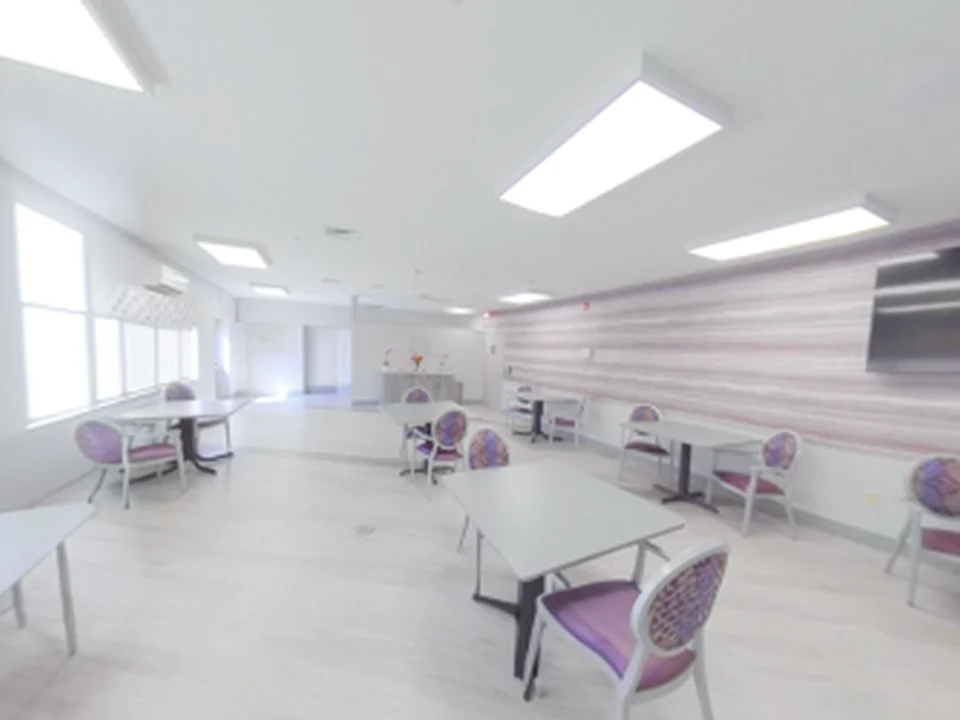
Families can expect a clean, orderly environment and a team that places communication and day-to-day support at the centre of care. The facility is particularly relevant for post-hospital rehabilitation , longer-term nursing needs and respite arrangements.

TLocal option
#3
What stands out
  • Coordinated rehabilitation team

  • Short- and long-term care

The Stewart Health Center

4.06 reviews
6920 Marching Duck Dr, Charlotte, NC 28210, United States

The Stewart Health Center at The Cypress of Charlotte provides short-term rehabilitation, long-term care and memory care for older adults. Its multidisciplinary team includes doctors, nurses, nursing assistants, physical, occupational and speech therapists, alongside support roles that contribute to personalised medical and quality-of-life plans.

Short-term rehabilitation focuses on rebuilding strength, balance and everyday skills after a hospital stay, with the aim of supporting a safe return home. The setting is best suited to Cypress members seeking coordinated nursing, therapy or longer-term care.

The comparison at a glance

#BusinessRatingReviewsBest for
#1Belaire Health Care Center 4.6598Families assessing nursing care
#2Greens at Gastonia 3.7131Post-hospital rehabilitation
#3The Stewart Health Center 4.06—

Run a business?

Manage or add my business

Map of skilled nursing facilities in Charlotte

No specific Charlotte neighbourhoods are attached to this selection, so the useful starting point is each facility’s position within the wider Charlotte area and its connection to the resident’s home or hospital. Before travelling, check the exact site, visiting arrangements and admission process directly. This is especially important when comparing routine visits with a time-sensitive move after hospital discharge.

Services to compare

  • Post-hospital rehabilitationShort-term support for people moving from hospital care towards greater independence and a planned next step.
  • Long-term nursing careOngoing nursing-home support for residents who need regular assistance and continued clinical oversight.
  • Family care assessmentsA starting point for families discussing the level of nursing care, supervision and daily support a relative may require.
  • Resident visitsSettings where families can explore visiting arrangements and understand how contact with residents is managed.
  • Care planning discussionsConversations about routines, support requirements, rehabilitation goals and the practical steps before admission.

How to choose skilled nursing facilities in Charlotte

  1. Match the care stageAsk whether the facility is best equipped for a defined rehabilitation stay, long-term nursing or a combination of both.
  2. Request the admission pathwayFind out which medical documents, assessments and approvals are needed, particularly when arranging care after a hospital stay.
  3. Clarify family visitsConfirm visiting times, booking requirements and any limits that could affect regular contact with a resident.
  4. Discuss daily routinesAsk how meals, personal care, medication support and activities are incorporated into an ordinary day.
  5. Inspect the environmentDuring a visit, look at cleanliness, shared areas and whether staff explain the care plan patiently and clearly.

Frequently asked questions

What is the difference between skilled nursing and ordinary residential care?

Skilled nursing facilities are intended for people who need ongoing nursing support, clinical monitoring or rehabilitation. Residential care may focus more heavily on accommodation and daily living assistance, so ask what medical services are available and who provides them.

Can a Charlotte nursing facility support recovery after hospital treatment?

Some facilities are suited to post-hospital rehabilitation, but the right fit depends on the person’s condition, mobility and treatment plan. Ask the discharge team and the facility what therapies, nursing cover and transfer arrangements are available.

How early should families arrange a visit?

Contact the facility before travelling because visits, tours and admission conversations may require advance planning. Ask which team member will meet you, what documents to bring and whether a family member can join remotely if needed.

What should we take to an initial care discussion?

Bring a current medication list, relevant hospital or GP information, mobility details and questions about daily support. It is also useful to describe the person’s routines, communication needs and preferred level of family involvement.

Related guides