BestCharlotte

4 Best Child Psychologists in Charlotte

Charlotte families can find support for developmental concerns, behavioural changes, diagnosis discussions, autism evaluations and wider child psychological care. The most suitable option depends on the child’s age, the question you need answered and whether assessment or ongoing support is the priority.

Before making contact, write down the main concerns, relevant history and any school observations. Also ask about age eligibility, appointment availability and whether parents receive a clear explanation of the next steps.

How this guide is ordered

The options are ordered by the needs they explicitly address, including developmental and behavioural support, autism evaluation, broader psychological care, diagnosis discussions and services for younger children. Some eligible businesses may purchase enhanced visibility, which can influence their placement.

Top 3 Ranking Map How to choose

Compare 4 child psychologists in Charlotte

Monique A. Sutton, NP #1
What stands out
  • Clear, compassionate developmental care

  • Patient family guidance

Monique A. Sutton, NP

546 reviews
2608 E 7th St, Charlotte, NC 28204, United States
Best for
Child developmental concernsAdolescent behavioural support

Monique A. Sutton, NP provides developmental-behavioural paediatric care in Charlotte, with a focus on children and adolescents. Her approach centres on careful listening, clear explanations and helping families understand diagnoses, resources and next steps.

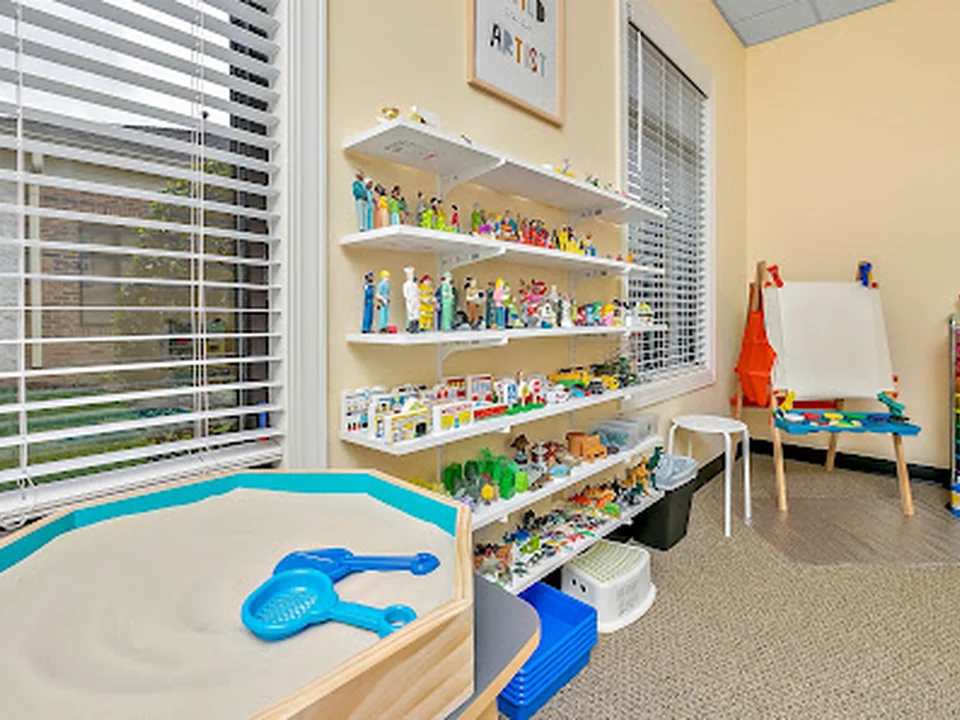
Parents looking for calm, thoughtful support may value the unhurried style and attention given to family concerns. The setting is clean and prepared for appointments, making it suitable for ongoing developmental or behavioural care.

Yasmin Suzanne Senturias, MD #2
What stands out
  • Thorough developmental assessments

  • Practical school guidance

Yasmin Suzanne Senturias, MD

4.918 reviews
2608 E 7th St, Charlotte, NC 28204, United States
Best for
Autism evaluations

Yasmin Suzanne Senturias, MD specialises in developmental-behavioural paediatrics in Charlotte. Her work is particularly relevant to families seeking thoughtful assessment and guidance around developmental differences, behavioural concerns, autism evaluations and school support.

A thorough, empathetic consultation style stands out, with time taken to listen, observe and explain recommendations clearly. Families may also value the practical focus on future care and educational planning, alongside a professional, well-organised setting.

Atrium Health Levine Children's Psychology & Neuropsychology #3
What stands out
  • Specialist children’s psychology

Atrium Health Levine Children's Psychology & Neuropsychology

4.913 reviews
1001 Blythe Blvd #4200, Charlotte, NC 28203, United States
Best for
Child psychological care

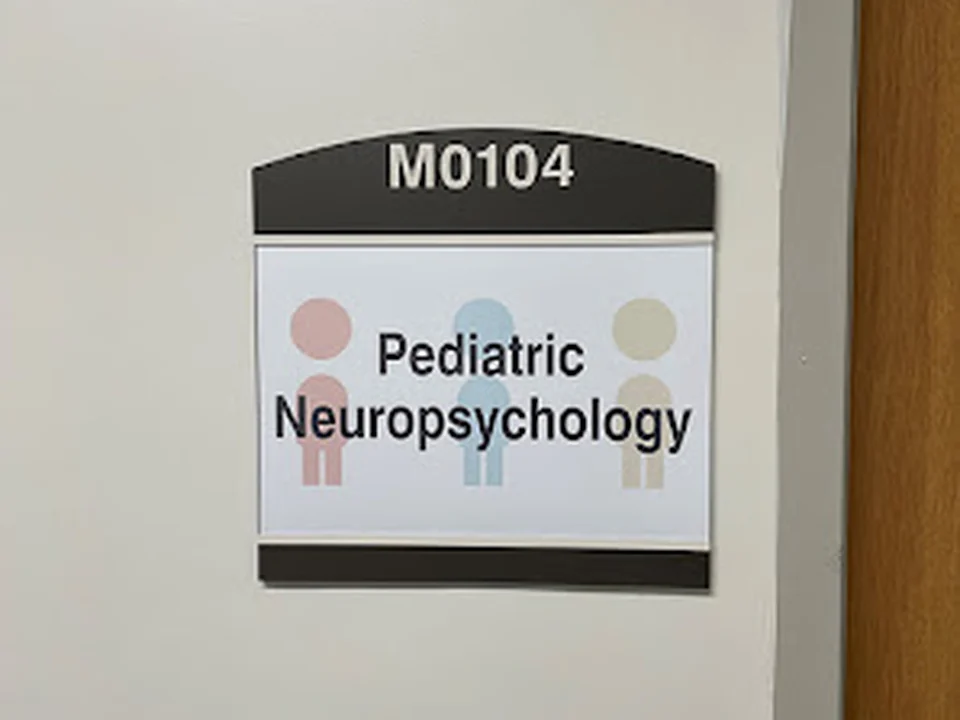
Atrium Health Levine Children’s Psychology & Neuropsychology is a Charlotte medical clinic dedicated to psychological and neuropsychological care for children and young people. It forms part of a wider paediatric service that supports families across multiple areas of children’s medicine.

The department’s care is characterised by listening, compassion and support for children managing emotional, behavioural or developmental challenges. A broader clinical setting can be valuable when psychological care needs to fit into an established paediatric care plan.

Renewed Counseling & Play Therapy #4
What stands out
  • Play therapy for young children

  • Inclusive family counselling

Renewed Counseling & Play Therapy

56 reviews
2120 Crown Centre Dr STE 400, Charlotte, NC 28227, United States
Best for
Children aged three and above

Renewed Counseling & Play Therapy provides mental health counselling in Charlotte for children aged three and above, teens, parents and adults. Play therapy is a central part of the practice, alongside client-centred counselling and evidence-based approaches such as cognitive behavioural therapy.

The work covers emotional regulation, anxiety, trauma, grief, self-esteem, family changes and parenting difficulties. A warm, inclusive environment and attentive communication make the practice especially relevant for children and families who need a comfortable space to build practical coping skills.

Do you run a business?

Manage or add my business

Map of child psychologists in Charlotte

No verified neighbourhood information is provided for this small Charlotte selection, so families should focus on service coverage and practical travel rather than assume a local cluster. Consider the full journey for the child, including school-day timing, parking arrangements and how often follow-up visits may be needed.

A suitable service that can offer continuity may be more convenient than a shorter one-off trip.

Support available for children

  • Developmental concernsDiscuss developmental questions and identify what further assessment or support may be appropriate.
  • Behavioural supportSeek help with behavioural concerns affecting children or adolescents at home, school or socially.
  • Autism evaluationsAsk about autism assessment, the stages involved and what information families should prepare.
  • Diagnosis discussionsUse consultations to understand concerns, possible diagnoses and recommended next steps.
  • Child psychological careFind broader psychological support when a child needs care beyond a single assessment question.
  • Play therapyExplore play-based support for children, including services that accept children aged three and above.
  • Adolescent supportDiscuss behavioural or emotional concerns affecting teenagers and the family around them.

How to choose child psychology support

  1. Confirm the age range: Ask whether the provider accepts your child’s age, particularly when considering play therapy or services designed for children aged three and above.
  2. Define the appointment goal: Explain whether you want an autism evaluation, developmental discussion, behavioural support or ongoing care so the first appointment is appropriately planned.
  3. Ask who joins the process: Check whether parents, teachers or other carers can contribute information and how feedback will be shared after assessment.
  4. Clarify assessment stages: Request a plain explanation of interviews, questionnaires, observation and follow-up before agreeing to an evaluation.
  5. Check scheduling realistically: Ask about the earliest appointment, expected waiting time and follow-up rhythm, especially when concerns are affecting school or family life.

Frequently asked questions

When should a child have a psychological assessment?

Consider asking for an assessment when developmental, behavioural or emotional concerns persist, interfere with daily life or are raised by school. A first conversation can clarify whether formal testing, therapeutic support or another type of referral is appropriate.

What happens during an autism evaluation?

The process may include a family interview, developmental history, questionnaires and observation, depending on the provider. Ask how the evaluation is structured, who takes part and how findings will be explained to you afterwards.

Can parents discuss concerns before bringing their child?

Many families begin by explaining their concerns, history and goals during an initial contact. Ask the service whether the first appointment is parent-led, child-focused or a combination, and prepare examples from home and school.

Is play therapy suitable for every young child?

Play therapy is not automatically the right fit for every child or concern. Ask about the child’s age, communication style, presenting difficulties and how progress is reviewed before choosing a play-based service.

How long might it take to get an appointment?

Availability differs between individual practitioners, clinics and assessment services. Ask for the next available appointment, whether cancellations are offered and how long the complete assessment or support plan may take.

Related guides